Please, click on a country you want to visit


Birding lodges and accommodation in Bulgaria
Bulgaria is one of Europe's best countries for birdwatching. Between 70 and 90 per cent of the world's Red-breasted Geese spend the coldest months in its wetlands, around Lakes Durankulak and Shabla, and every autumn storks, pelicans and birds of prey stream along its Black Sea coast. Bed & Birding's five places to stay cover the north coast, the Burgas wetlands and the Rhodope mountains. Read our guide to birdwatching in Bulgaria below.
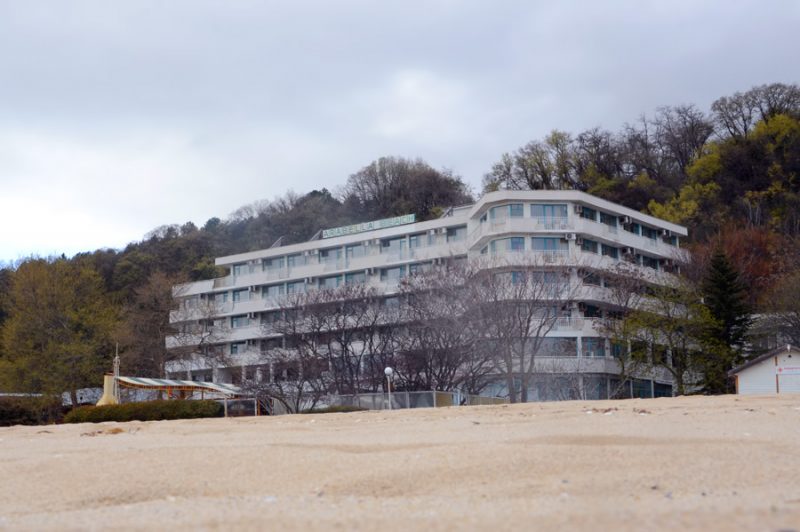
Hotel Arabella Beach
Bulgaria, Albena, North Black Sea coastHotel category:

Bed & Birding category:

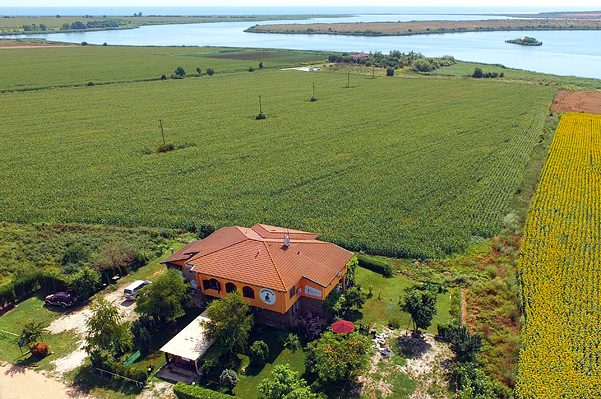
Branta Birding Lodge
Bulgaria, Varna - North Black Sea coastHotel category:
Bed & Birding category:
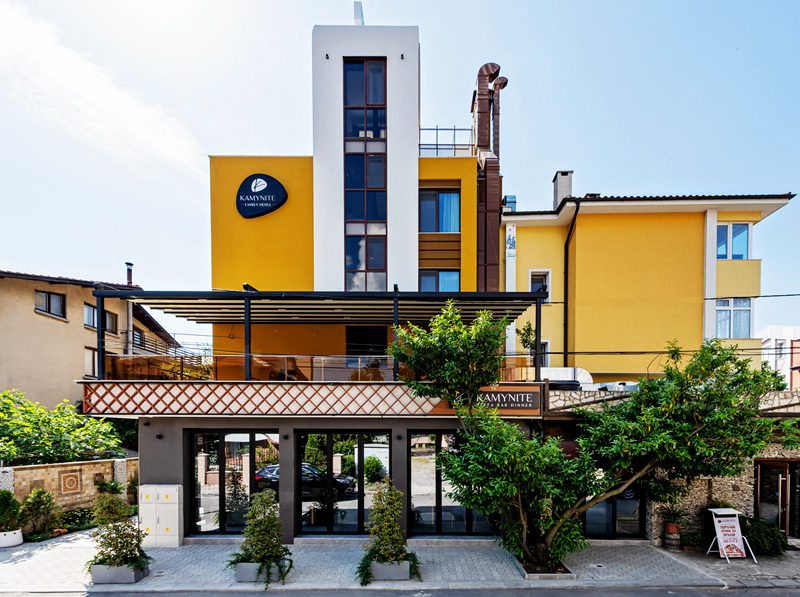
Hotel-Restaurant KAMYNITE
Bulgaria, Burgas - South Black Sea coastHotel category:
Bed & Birding category:
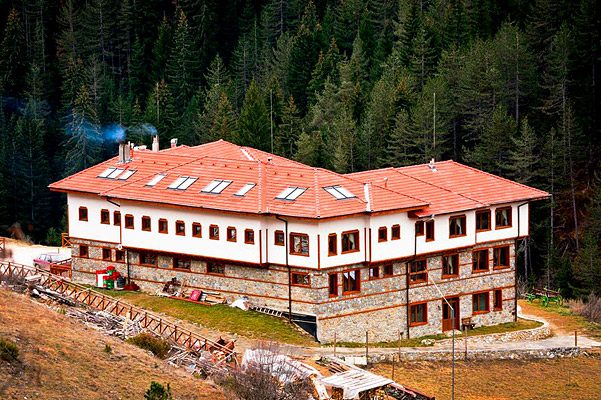
Where to go birding in Bulgaria, and where to stay
The north Black Sea coast: Durankulak, Shabla and Cape Kaliakra
Lakes Durankulak and Shabla, close to the Romanian border, are wetlands surrounded by farmland. In winter they hold the Red-breasted Geese; in spring and summer Durankulak is home to about 120 pairs of Paddyfield Warblers. Further south, the steppes and cliffs of Cape Kaliakra add birds such as Pied Wheatear and Calandra Lark.
- Branta Birding Lodge overlooks Lake Durankulak, five minutes' walk from the wetlands and an hour's drive from Varna. Its bird list has more than 300 species.
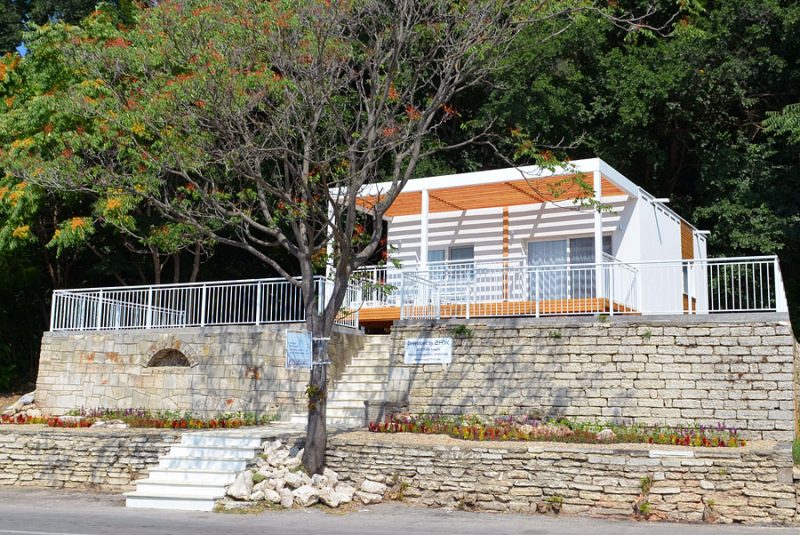
- Hotel Arabella Beach and Albena Beach Villa, in the Albena resort 40 km from Varna airport, share a rooftop platform for watching migrating birds of prey and storks. The Baltata forest next door has Black Stork, Levant Sparrowhawk and Semi-collared Flycatcher.
The Burgas wetlands on the south coast
The lakes and saltpans around Burgas, including Atanasovsko Lake and Pomorie, are among Europe's richest bird areas, with more than 340 species recorded. In autumn, flocks of White and Dalmatian Pelicans rest here, and the saltpans hold shorebirds.
- Hotel-Restaurant Kamynite stands above the sea in Sarafovo, near Burgas airport, five minutes' drive from the saltpans. Its gardens attract migrant songbirds, and its bird list has 288 species.
The Western Rhodope mountains
The forests and gorges of the Western Rhodopes have a different set of birds: woodpeckers including White-backed and, with luck, Three-toed, Tengmalm's and Pygmy Owls, Capercaillie and Nutcracker. The Trigrad gorge is known for Wallcreeper.
- Hotel Mursal is a mountain lodge at 1,400 m above the village of Yagodina, 40 minutes' drive from the Trigrad gorge. Crag Martins nest under its eaves.
Red-breasted Geese at Durankulak and Shabla
The Red-breasted Goose is one of the world's most striking and threatened geese: about 50,000 remain, half as many as 25 years ago. Between 70 and 90 per cent of them spend the coldest months in Bulgaria, mostly on the north coast, where Lakes Durankulak and Shabla stay open beside large fields of cereals. The timing depends on the weather. The geese used to arrive in November; in recent years many have come only in mid-January, and numbers can stay high into March, when about 30,000 were counted around Durankulak in 2018. Greater White-fronted Geese come with them. Branta Birding Lodge looks out over Lake Durankulak.
Autumn migration on the Black Sea coast
Bulgaria's coast lies on the Via Pontica, one of Europe's great migration routes. In September, thousands of White Storks pass along it, together with Lesser Spotted Eagles, Honey Buzzards, Black Storks and Levant Sparrowhawks, while pelicans rest on the Burgas wetlands. The rooftop platform at Hotel Arabella Beach and the saltpans near Hotel-Restaurant Kamynite are good places to watch from.
When to go
- Winter (December to March): Red-breasted and Greater White-fronted Geese on the north coast. In mild winters they arrive later, often in January.
- Spring and early summer: migrants return, and the coast and forests fill with song, from Golden Orioles and Nightingales to Paddyfield Warblers at Durankulak. This is also the best time for the Rhodope mountains.
- Autumn (especially September): the Via Pontica migration of storks, pelicans and birds of prey along the coast.
Guided birding tours
Bed & Birding lists places to stay; each lodge page has a button to send it an enquiry. For a guided birding tour of Bulgaria, from the winter geese to the autumn migration, see Branta Tours' birding tours.
Questions birders ask
Where can I see Red-breasted Geese in Bulgaria?
On the north Black Sea coast, around Lakes Durankulak and Shabla, in the coldest months. In mild winters they arrive later, often in January.
When is the best time for birdwatching in Bulgaria?
It depends on the birds: winter for the geese, spring and early summer for breeding birds and the mountains, and September for the autumn migration along the coast.
What is the Via Pontica?
A migration route along the western shore of the Black Sea, used every autumn by storks, pelicans and birds of prey on their way south.
Where can I see Wallcreeper in Bulgaria?
In the Trigrad gorge in the Western Rhodopes, 40 minutes' drive from Hotel Mursal.
Where can birders stay in Bulgaria?
Branta Birding Lodge at Lake Durankulak, Hotel Arabella Beach and Albena Beach Villa at Albena, Hotel-Restaurant Kamynite near Burgas, and Hotel Mursal in the Rhodope mountains.
Advertising


